Trending
This story is from March 01, 2023
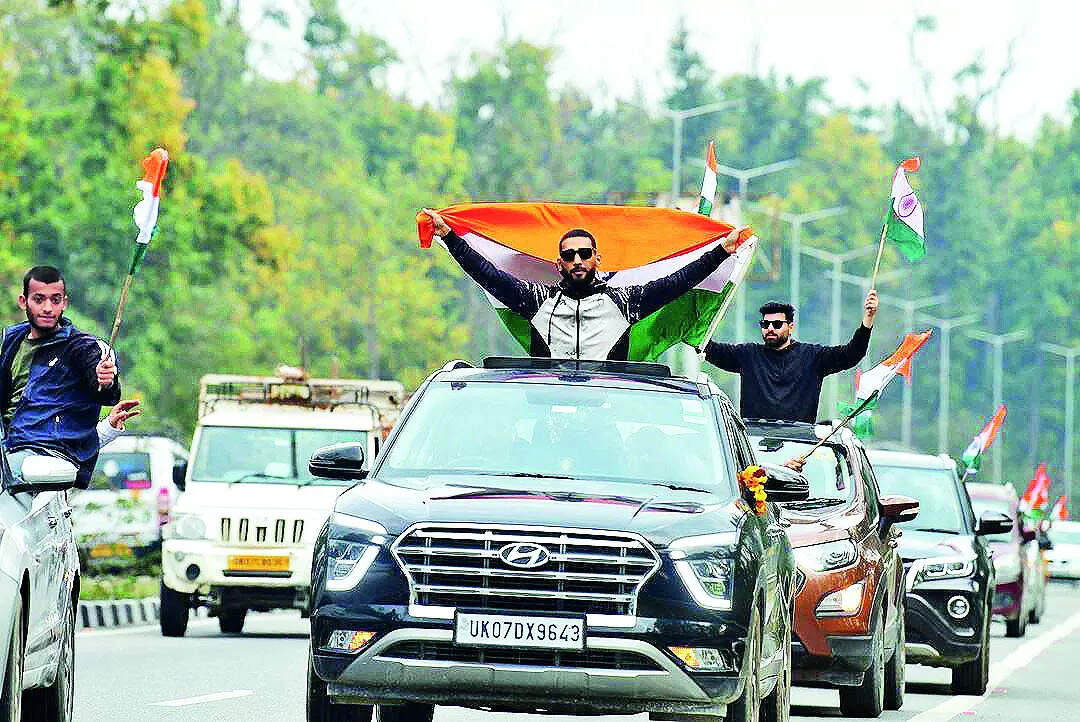
In 2016, people said UFC is not for Indians; I wanted to prove them wrong: Anshul Jubli


End of Article
Follow Us On Social Media
Health +
Tired of too many ads?go ad free now
lifestyle videos
Featured In Lifestyle

Tired of too many ads?go ad free now



MORE FROM ETIMES
life & styleHot on the Web
Marcus AureliusDhurandhar ReviewSuperfoods Side EffectsDhurandhar Movie CollectionToilet HygieneLiver Friendly FoodsColon CancerKidney DamageAkhanda 2 First ReviewSunjay KapoorNelson MandelaBobby DeolDiabetes TipsRanveer SinghSmriti MandhanaCelina JaitlyBlood PressureHigh CreatinineDhurandhar Twitter ReviewTere Ishk Mein CollectionJapanese TechniquesColon Cancer SymptomsAkhanda 2 Movie ReviewGut HealthKidney HealthMesopotamiaGustaakh Ishq Box Office CollectionBhagavad Gita LessonsTere Ishk Mein Movie ReviewLou HoltzGut HealthElephant Safari National ParkOvernight Habits That Affect HealthLiver Failure Warning SignsCucumber Vs ZucchiniEarly Signs Of Mouth CancerKeep The Toilet Lid Up Or DownNikhil KamathHigh Blood Pressure SymptomsFirst Animal In SpaceHeart Healthy Red Drinks
Trending Topics
Latest MoviesBollywood MoviesHollywood MoviesTamil Movies 2025Telugu Movies 2025Malayalam Movies 2025Kannada Movies 2025Marathi Movies 2025Bengali Movies 2025Top Rated Movies 2025Best Hindi MoviesBest English MoviesBest Telugu MoviesBest Tamil MoviesBest Malayalam MoviesBest Kannada MoviesBest Bengali MoviesUpcoming Hindi MoviesBest Movies Of All TimeBest Hindi Movies of All TimeLatest English MoviesLatest Malayalam MoviesEnglish TV NewsTamil TV NewsTelugu TV NewsMalayalam TV NewsKannada TV NewsMovie ReviewsBhojpuri Cinema NewsGujarati Cinema News
Popular Categories
Viral NewsK Pop NewsWeb Series NewsAnime NewsUpcoming English MoviesUpcoming Tamil MoviesUpcoming Telugu MoviesUpcoming Malayalam MoviesUpcoming Kannada MoviesFashion TipsTravel NewsEntertainment NewsBollywood NewsTollywood NewsKollywood NewsMollywood NewsFood NewsLatest Hindi MoviesLatest Tamil MoviesParenting TipsHome RemediesWeight LossBeauty TipsParenting TipsHindi VideosHindi Video SongsBhojpuri Music VideosLatest Telugu MoviesBhojpuri Music VideoHindi TV News
Latest News
GAME NIGHTS, BOXED RIGHTSiddharth Nigam: Kaneez came to me when I was looking for something that challenged meIndiGo crisis sends airfares on other airlines skyrocketing as people scramble for optionsTestKartik Aaryan grooves to to Salman Khan's 'Jeene Ke Hain Chaar Din' and 'Lollipop Lagelu' at his sister’s sangeet; video takes over the internet - WatchIndiGo flight cancellations: All domestic flights from Delhi cancelled till midnight; over 500 flights affected nationwide — what we know so farWhy all rice lovers should grow these two plants at homeStress or thyroid problem? 7 warning signs you may be overlooking and delaying medical treatmentHow Kanso changes your life: The Japanese simplicity philosophy that boosts focus, calm and productivityUS embassy to H-1B, H-4 visa applicants: Starting December 15, change your Facebook, Twitter, Instagram and other social media settings to ...WATCH: Chaos at Barabati Stadium! Fans sprint and break queues for India–South Africa T20I ticketsGoogle CEO Sundar Pichai on why everyone thought Google was 'way behind' ChatGPT in AI raceBLACKPINK's Lisa joins Marvel star Don Lee and 'Squid Game' actor Lee Jin-uk in thriller 'Tygo', set in Russo Brothers' 'Extraction' universe10 quotes by Professor Dumbledore that are pure nuggets of wisdomIndiGo cancellations: On-time performance crashes to 8.5%! Chaos unfolds at airports with over 400 flights cancelledOne bad habit you should change before the year ends as per your birth dateNZ vs WI 1st Test: Shai Hope’s century leads West Indies’ fightback after New Zealand record 531 targetAju Varghese shares Akhil Sathyan’s heartfelt words on Mohanlal as ‘Sarvam Maya’ builds excitement: 'Those films continue to entertain us even today'